
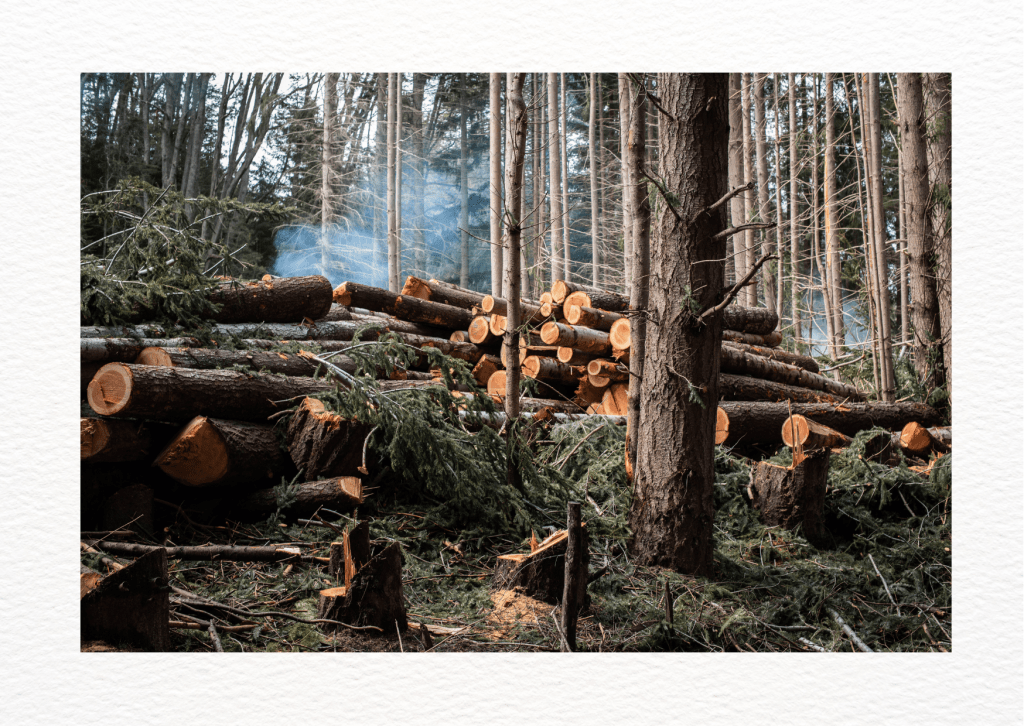
Forest spirits are true after all
Many years ago, I visited Taman Negara in Malaysia. You do not hear about Taman Negara much, definitely not as much as the Amazon, but it is one of the world’s oldest rainforest, estimated to be more than 130 million years old. After all, some of these forests are fragments left over from the supercontinent of Gondwanaland.
It was breathtaking. Moss floors that are a meter deep, ancient trees with long aerial roots, forest canopy as far as you can see, birdcalls I have never heard before or since.
When you are in a forest like that, you realize why ancient societies have considered forests and trees and rivers and mountains to be living creatures capable of being angry, happy, vengeful, benevolent.
No amount of reforestation can replicate these complex ecosystems. And yet, human driven habitat destruction is the major threat to these ancient, beautiful, critical ecosystems. And we are taking part in this destruction, mostly unknowingly.
As a conscious consumer, I am well aware that I have no way of knowing just what level of destruction my morning coffee and the afternoon pick-me-up square (okay, squares, many many squares) of chocolate are leaving in their wakes. To understand why individual awareness is not enough, we need to look at what actually drives deforestation globally.
What really drives deforestation
Deforestation is often discussed as a moral failure, but in practice it is driven by economic incentives, land-use decisions, and trade dynamics.
Human driven habitat/forest destruction can have several root causes ranging from infrastructure development like dams, city expansions, street or rail track building, agriculture, logging, mining.
Food and Agriculture Organization (FAO) estimates that agricultural expansion is the primary driver, responsible for nearly 90% of global deforestation. However, keeping with the Pareto Principle, a small number of commodities account for the majority of forest loss– expansion of pasture for beef production, croplands for soy and palm oil, and, increasingly, the conversion of primary forest to tree plantations for paper and pulp. If you are keen, I would definitely recommend poring into the details here.
Paying the price of deforestation
Apart from biodiversity loss, a vast subject in itself, deforestation is often accompanied by severe and direct human rights violations. In many parts of the world, forest clearance pits deep-pocketed, well-connected land speculators and agribusiness interests against indigenous and forest-dependent communities in profoundly unequal struggles. The result is frequently the dispossession of ancestral lands, loss of access to forest resources, and the erosion of subsistence livelihoods that have existed for generations.
Those who resist these land grabs often do so at great personal risk. Environmental and land rights defenders are routinely threatened, criminalized, kidnapped, or killed. Conservation has become one of the deadliest professions in the world, with the majority of these killings occurring in countries rich in forests and natural resources, and disproportionately affecting indigenous leaders and community organizers.
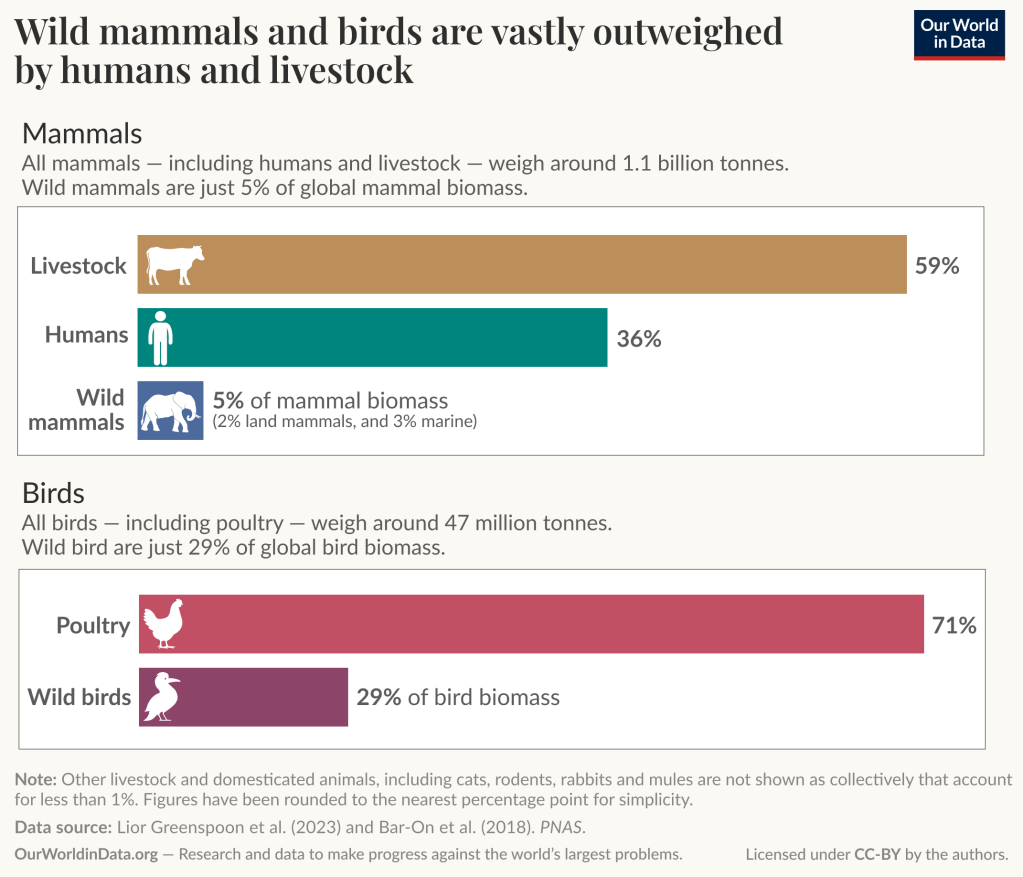
The ecological cost is just as stark. Wild animals now account for only about 5% of the total global mammal biomass, while humans and our domesticated animals make up the remaining 95%. This is not a gradual shift but the outcome of a rapid collapse in wildlife populations driven largely by habitat loss, fragmentation, and degradation. Species are currently disappearing at rates estimated to be tens to hundreds of times higher than natural background extinction rates, pushing ecosystems toward irreversible tipping points.
Forests are not simply collections of trees; they are complex living systems that regulate climate, store carbon, cycle water, and support an extraordinary range of species. When primary forests are cleared, the loss is not limited to visible biodiversity. Entire ecological relationships—pollination networks, soil systems, seed dispersal pathways—are disrupted or destroyed. These losses cannot be fully measured, let alone restored, within human timescales.
At the same time, this is an inherently nuanced issue. In the legitimate effort to protect forests, traditional and indigenous communities, many of whom have sustainably managed forest landscapes for centuries, are sometimes treated as threats rather than stewards. Conservation policies and protected-area designations have, in some cases, resulted in forced evictions or restrictions on customary forest use, without providing viable alternative livelihoods or recognizing traditional land rights.
In the next post, I want to take a deeper look in to the agricultural commodities that drive deforestation at a far larger scale than others.
If forests are cleared for specific commodities, responsibility does not stop at the forest edge—it travels through supply chains.
Stay informed,
Samarpita
All opinions are personal


 ESG for Lawyers
Leave a comment